Portinerie Romane*   Spacious windows, antiquated desks, compact passageways—architectures conceived as vitrines framing the threshold between public and private space.   Portinerie Romane  explores this overlooked element of Roman architecture

Portinerie Romane*

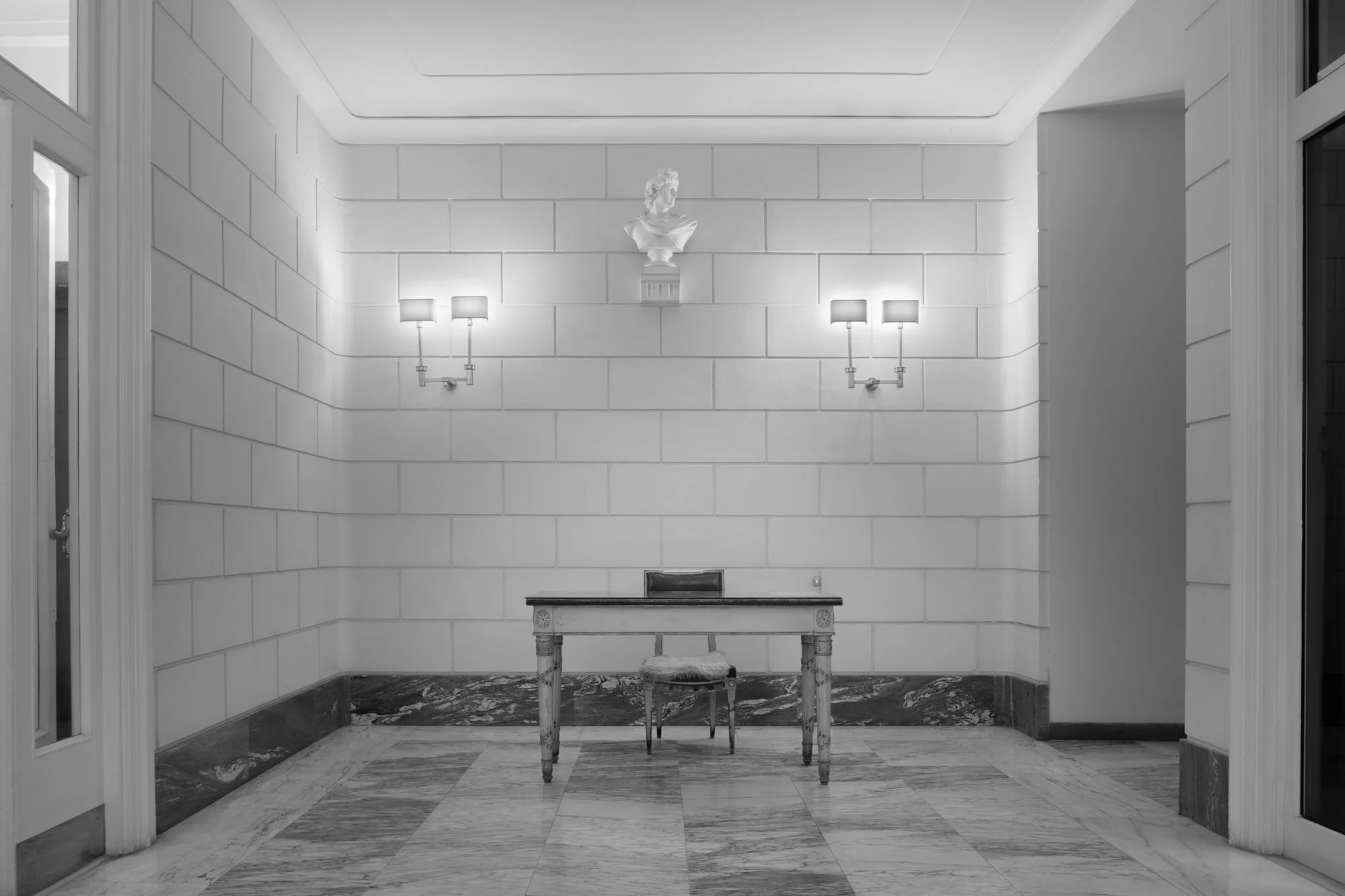
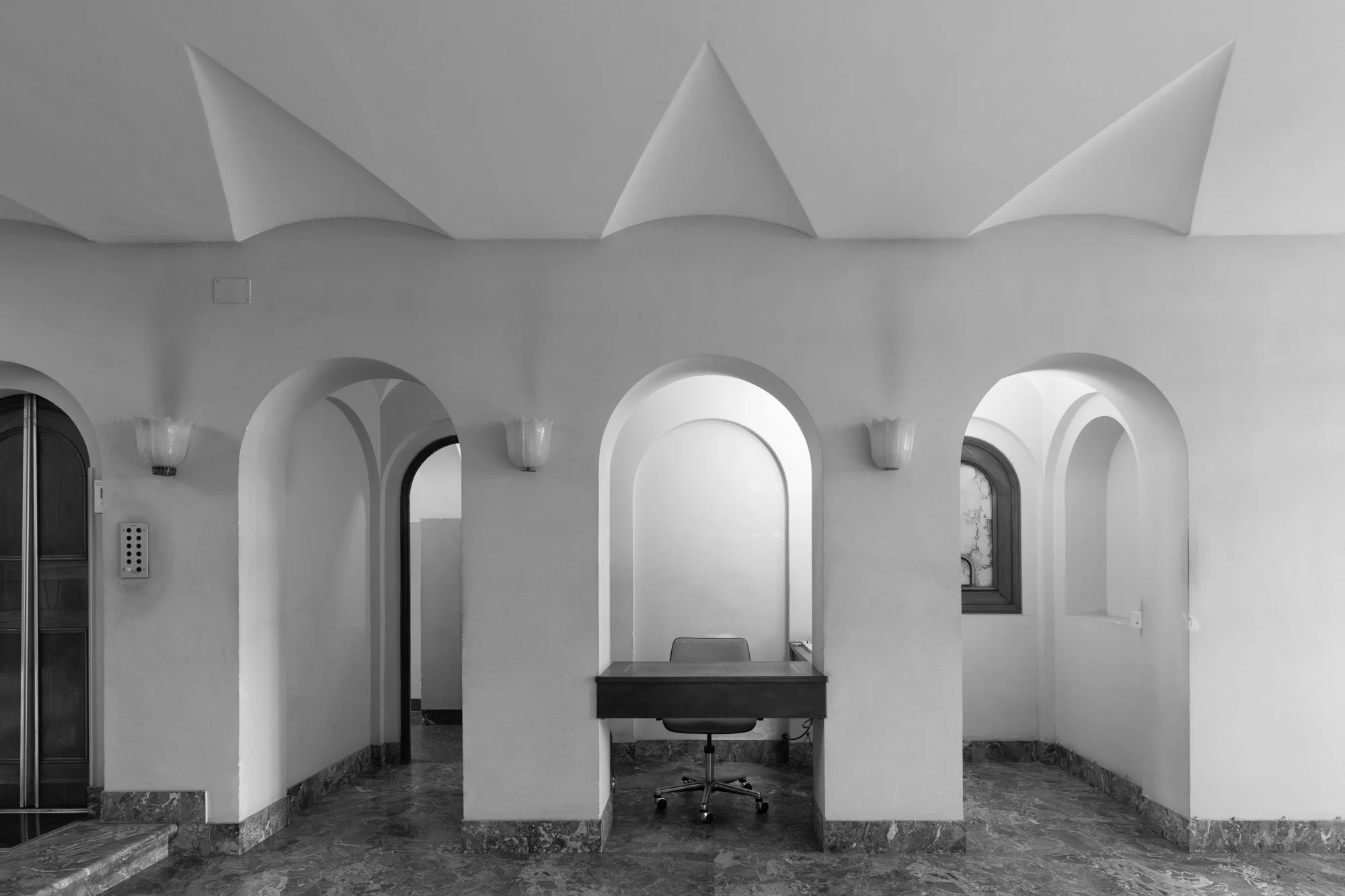
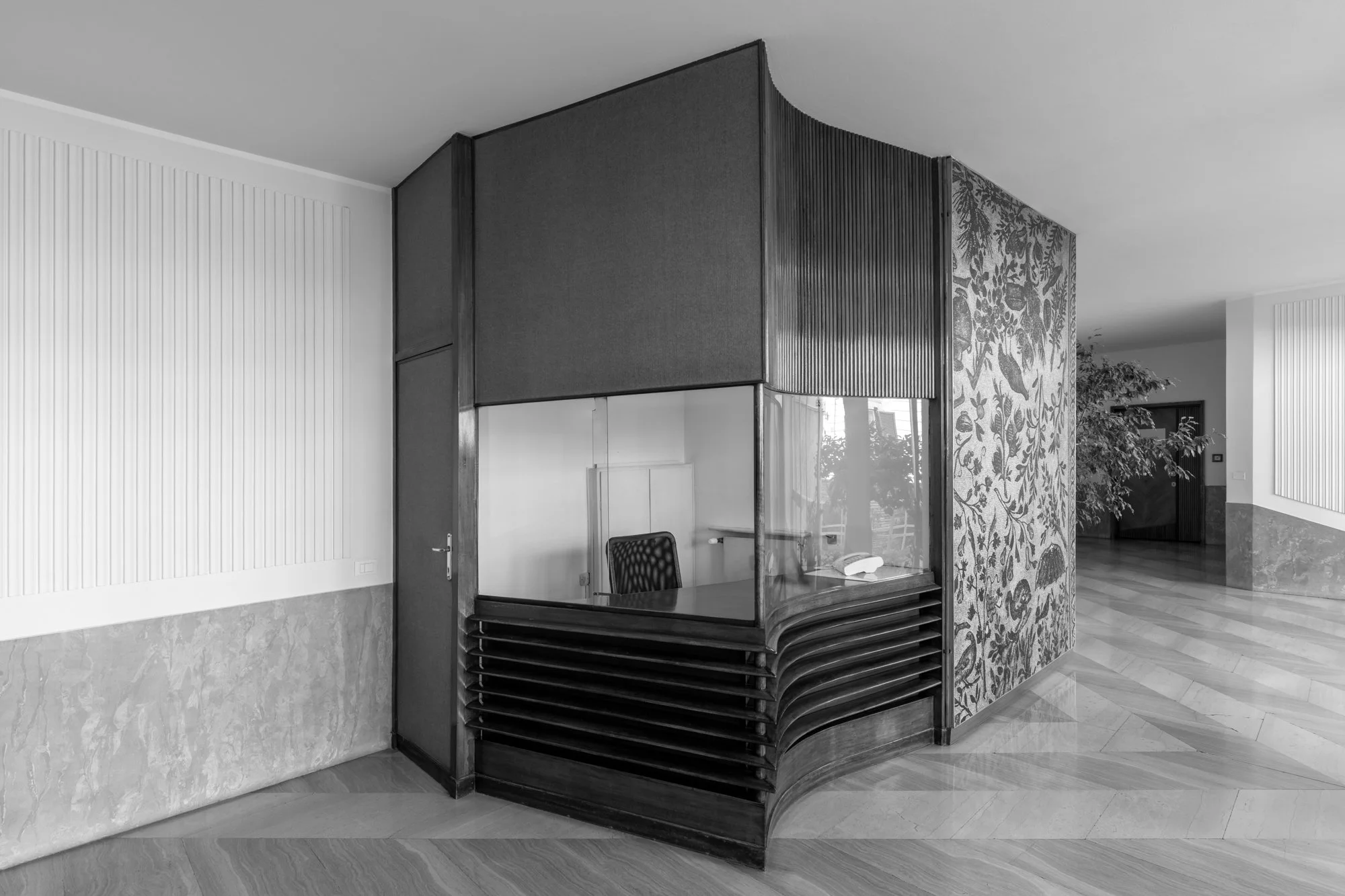
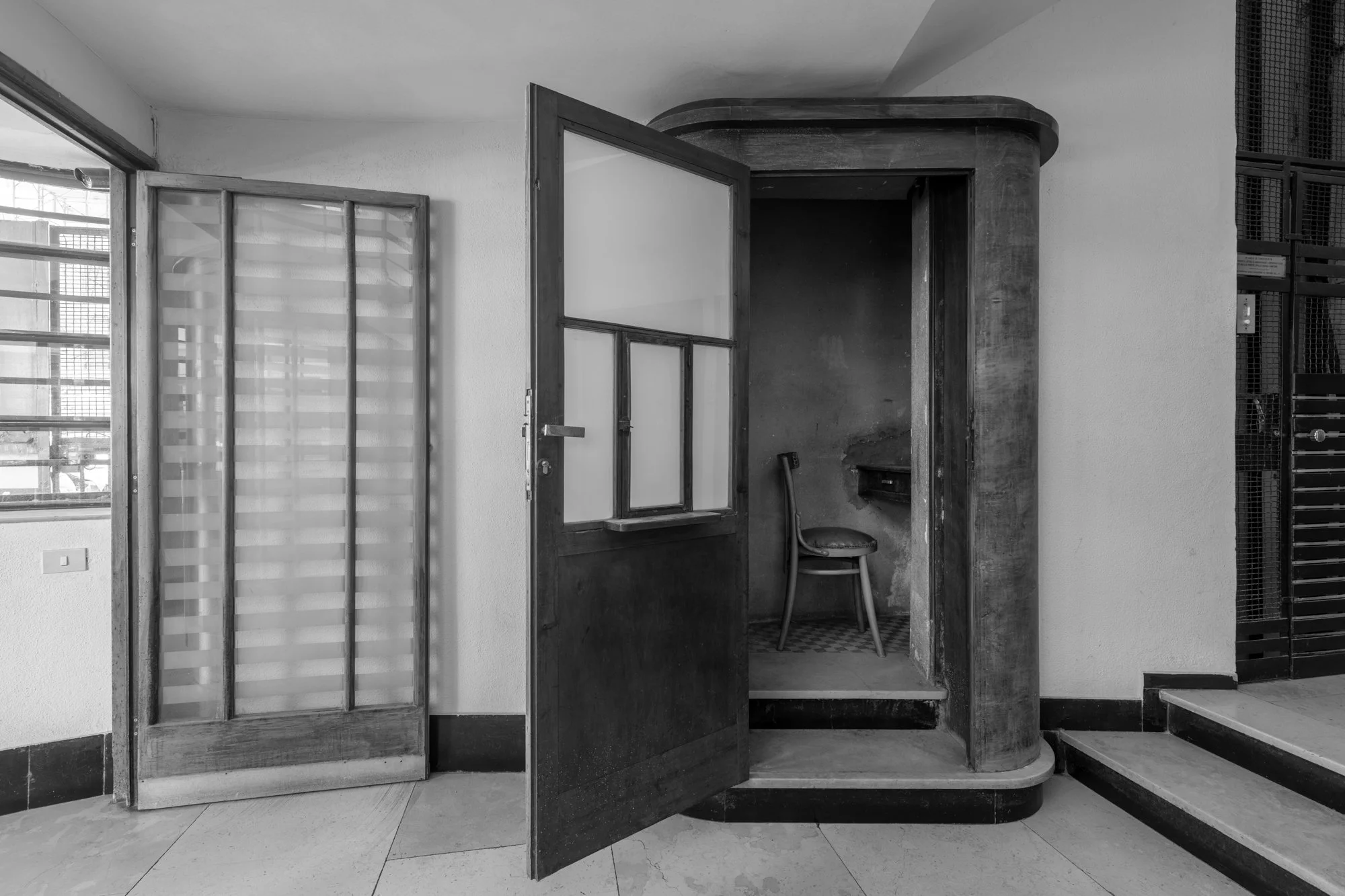
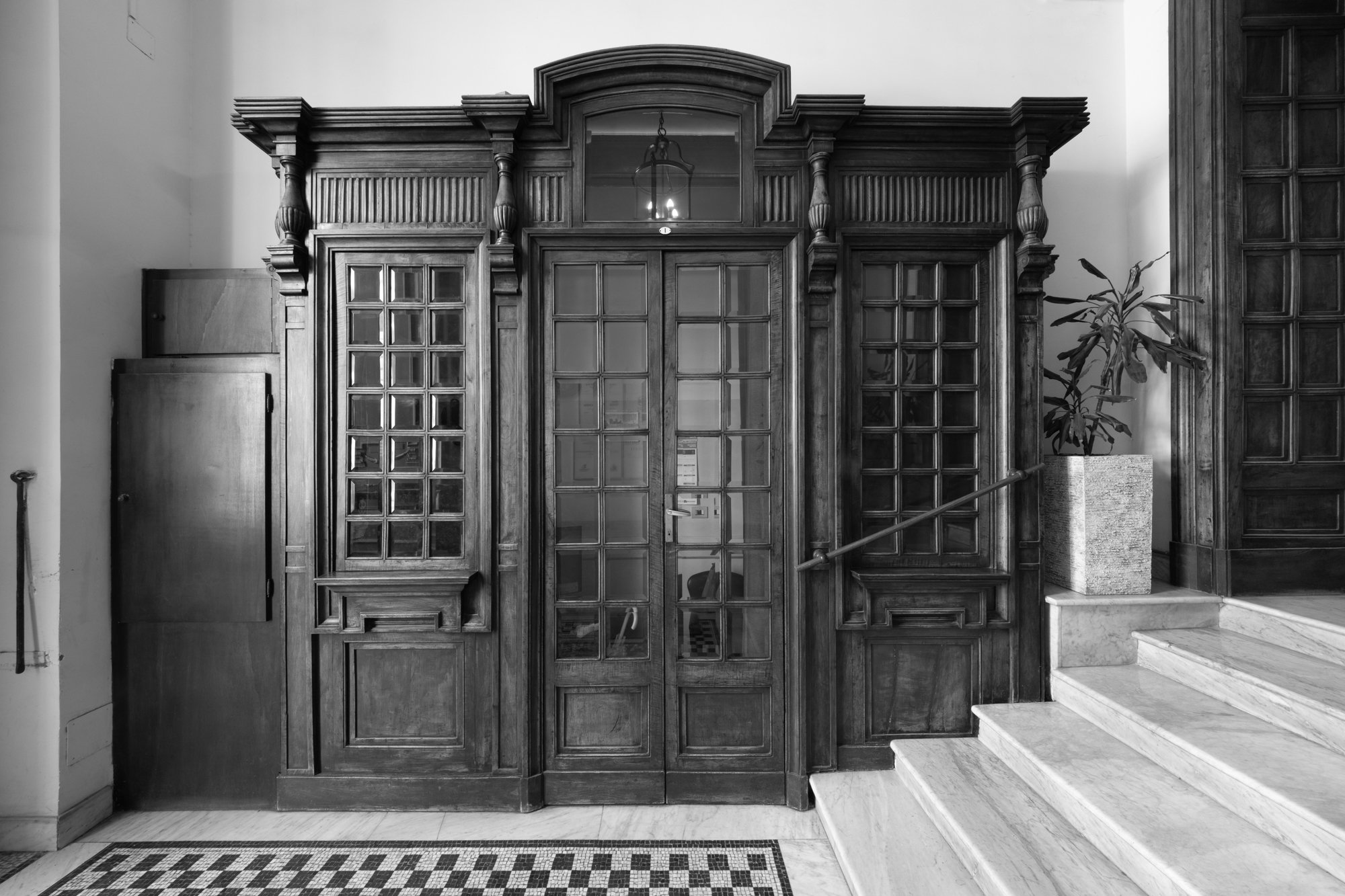
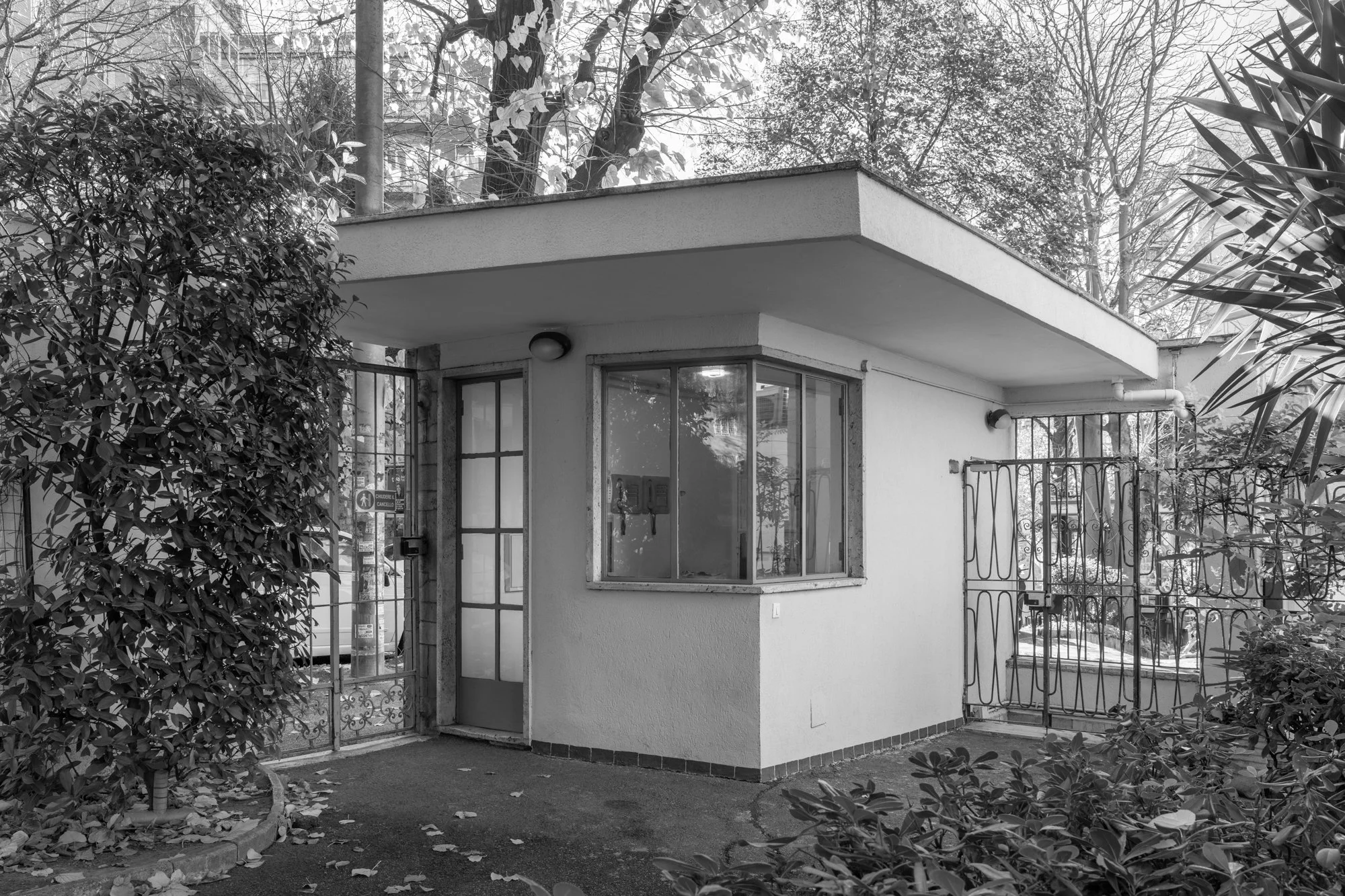
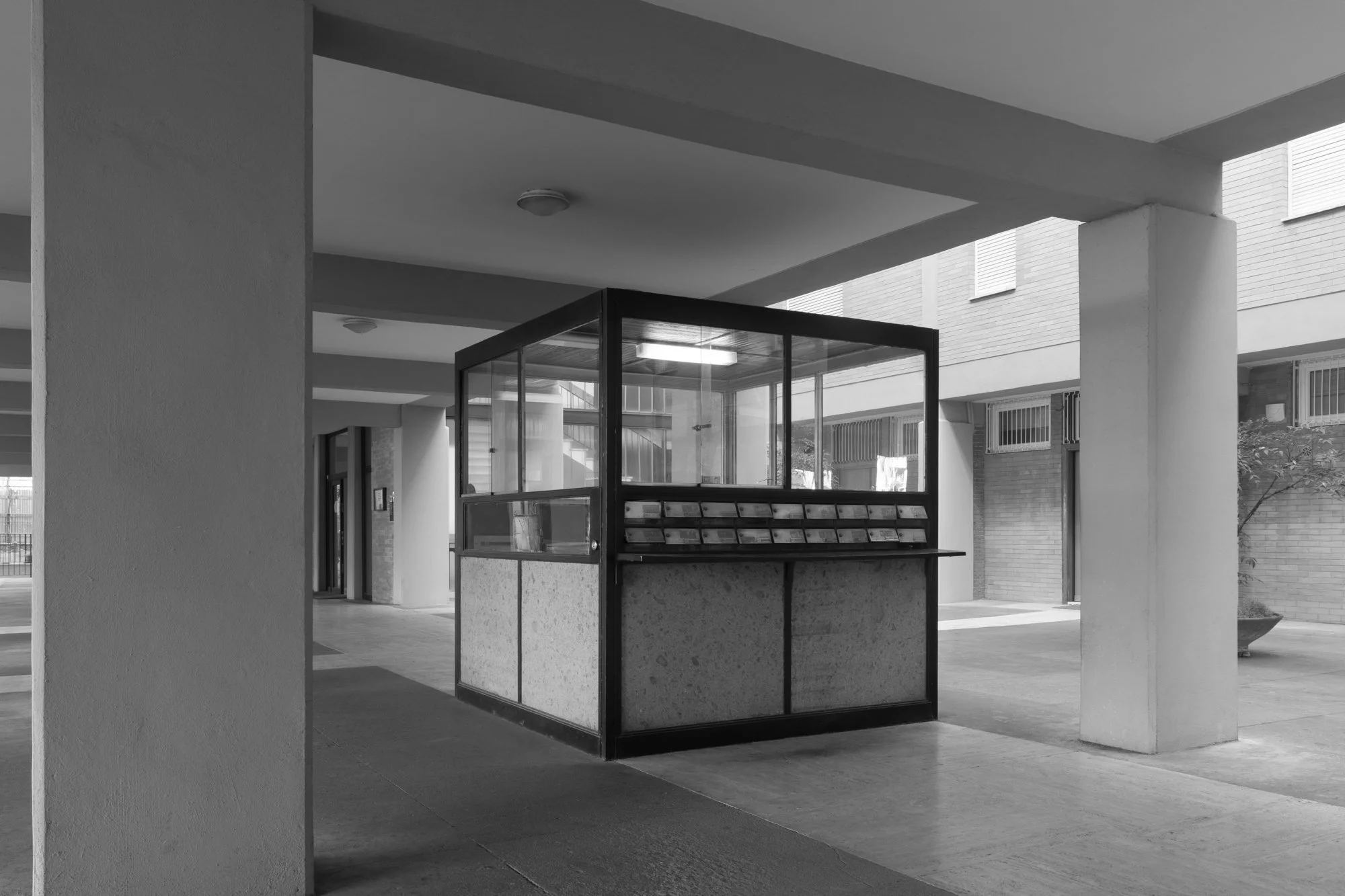
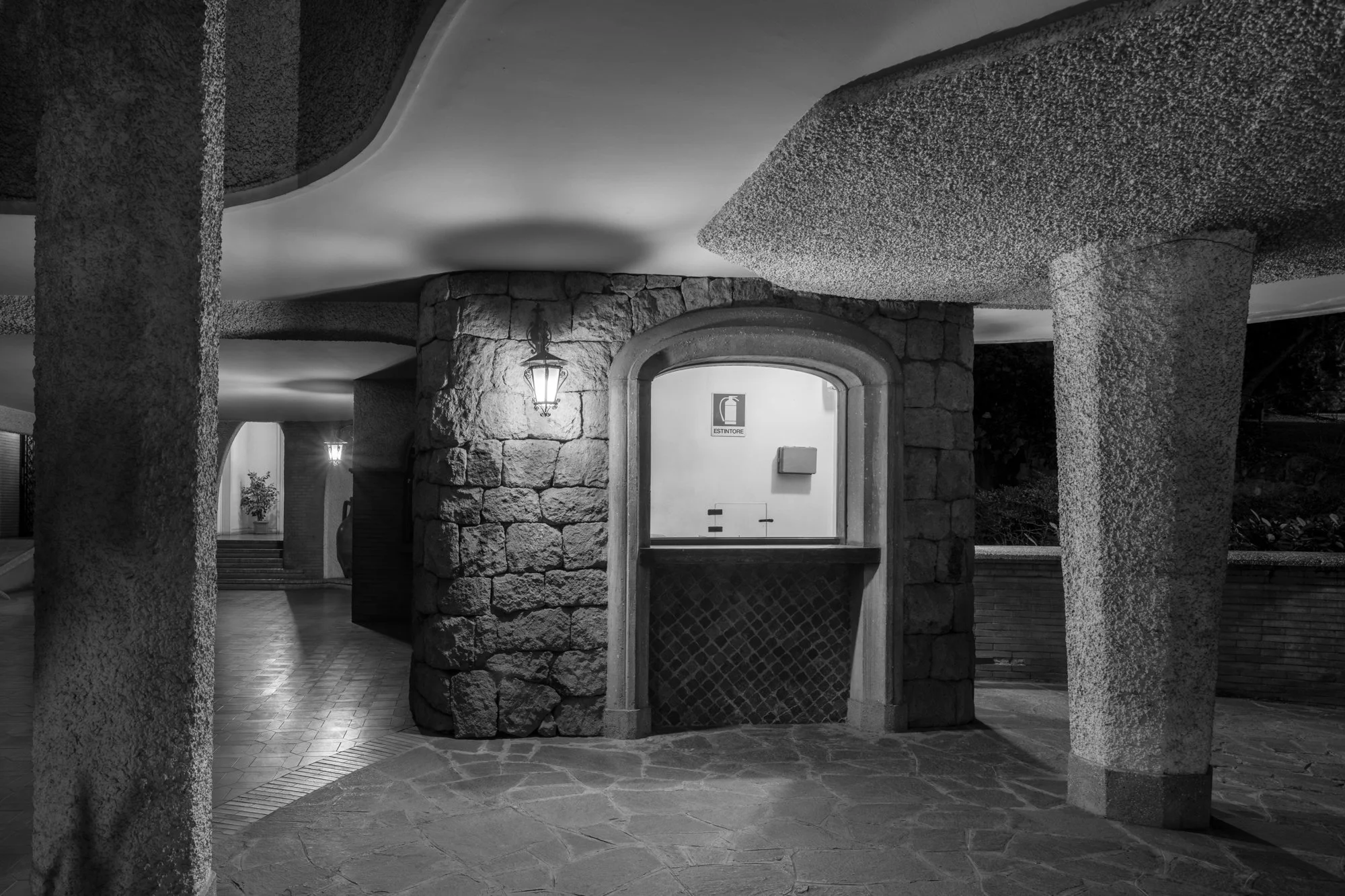
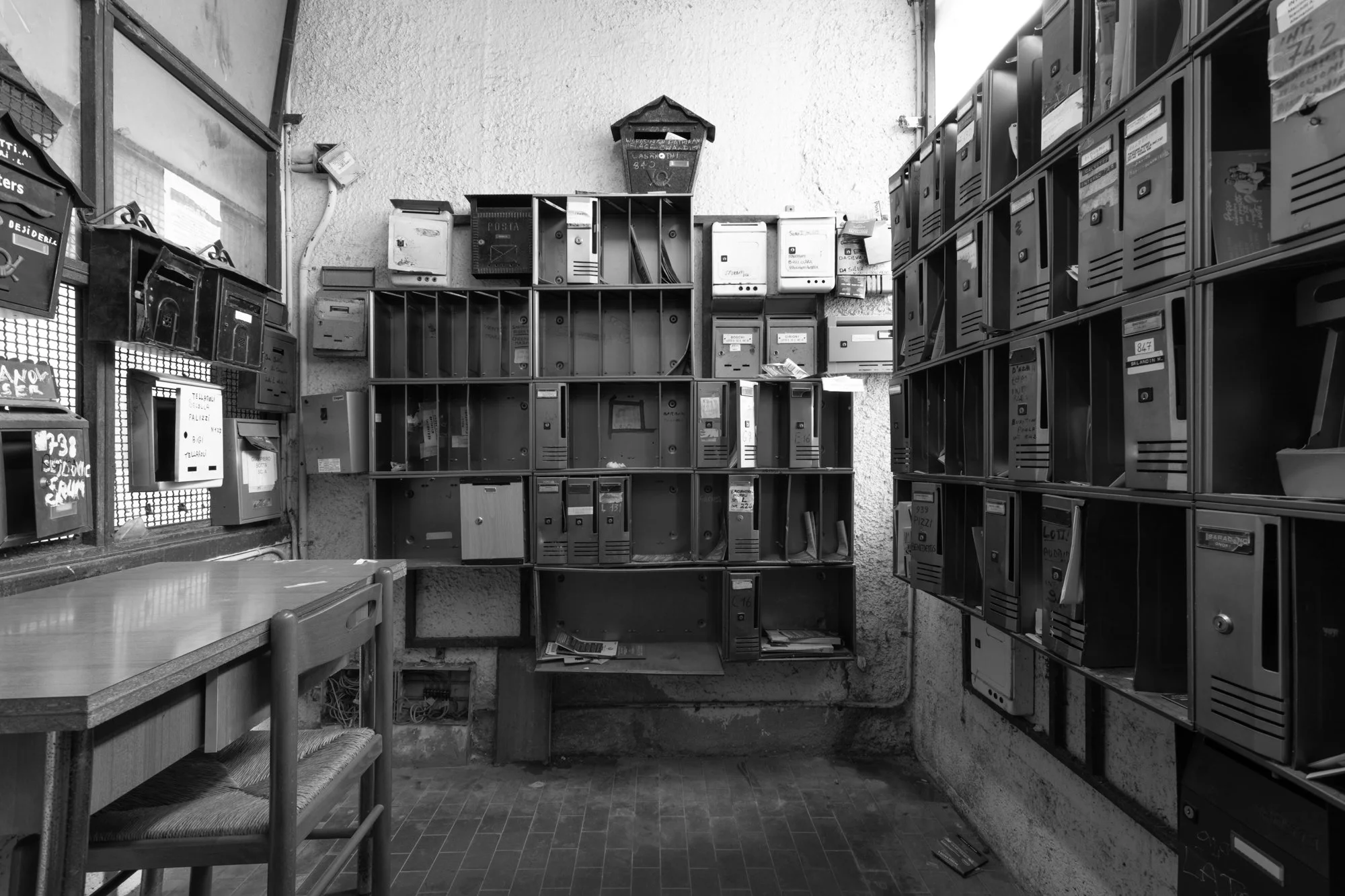
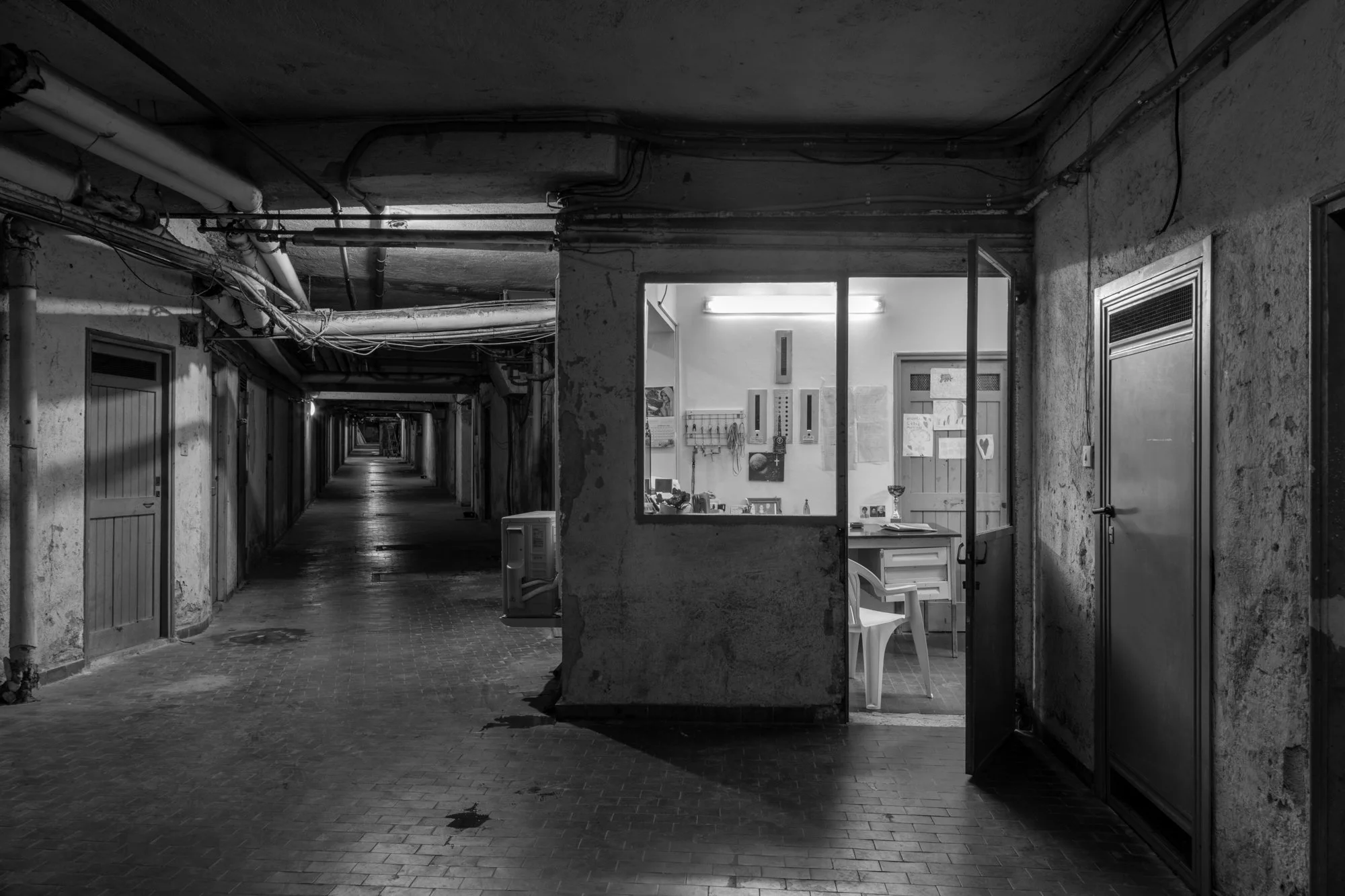
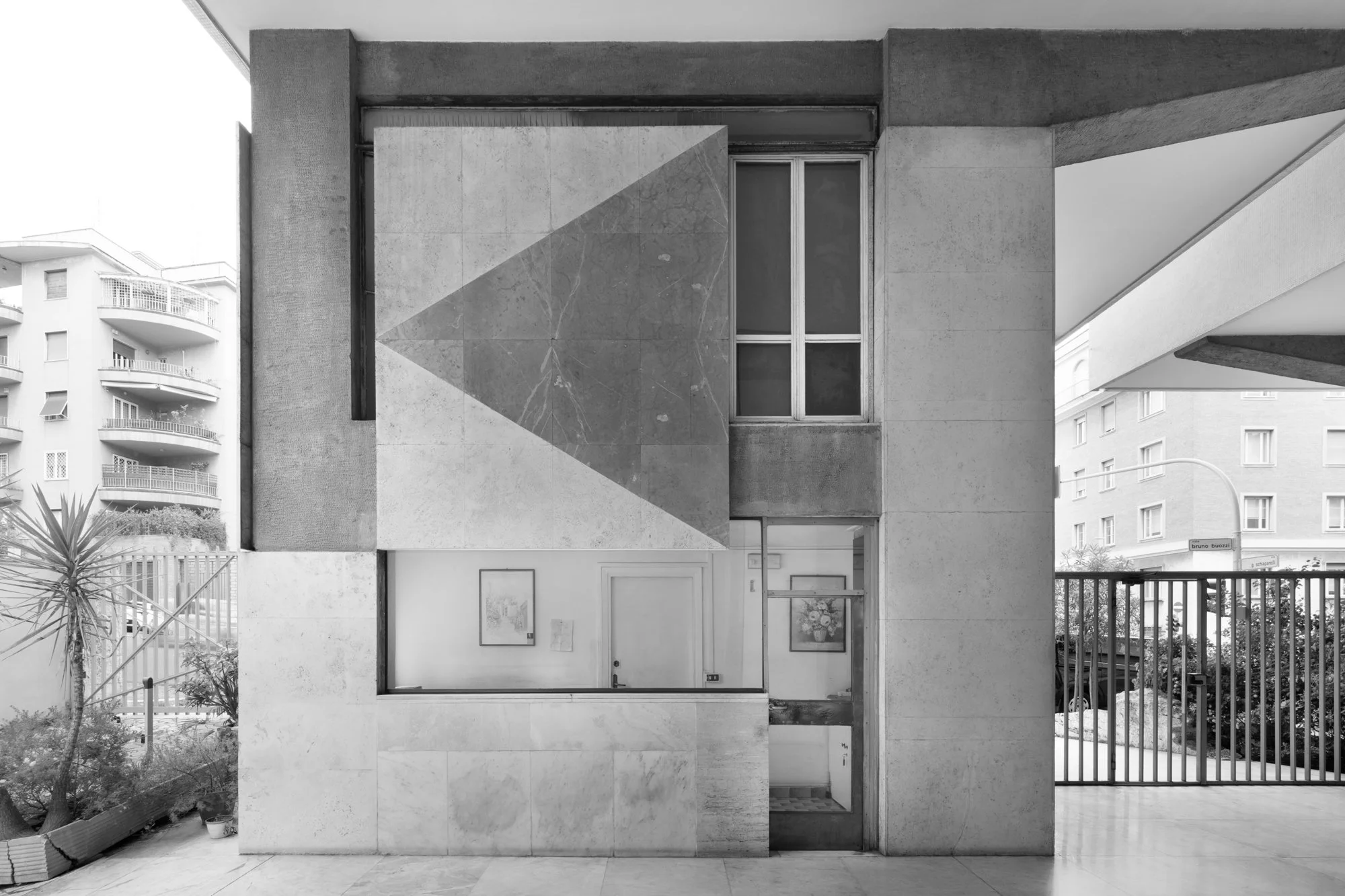
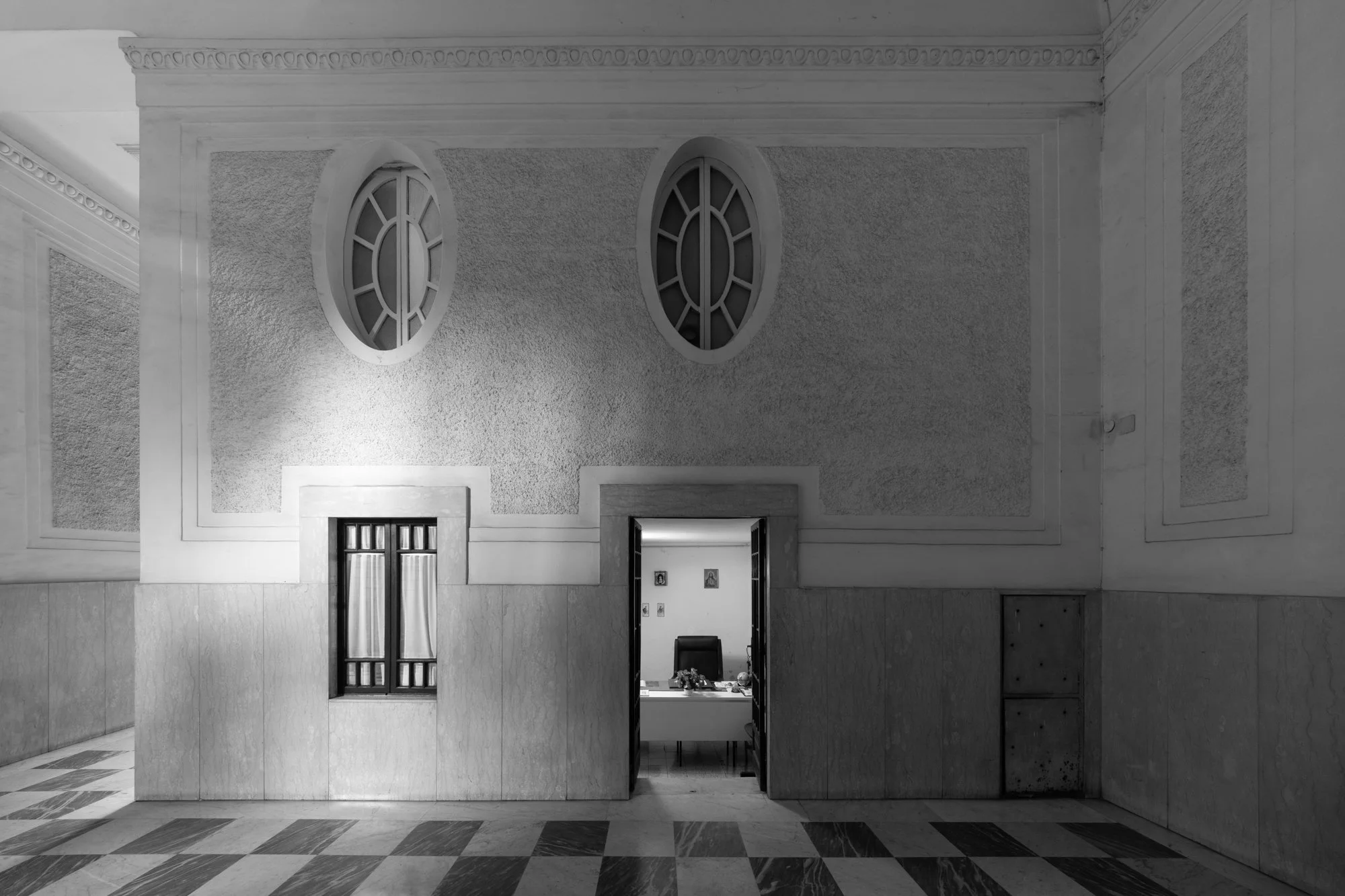
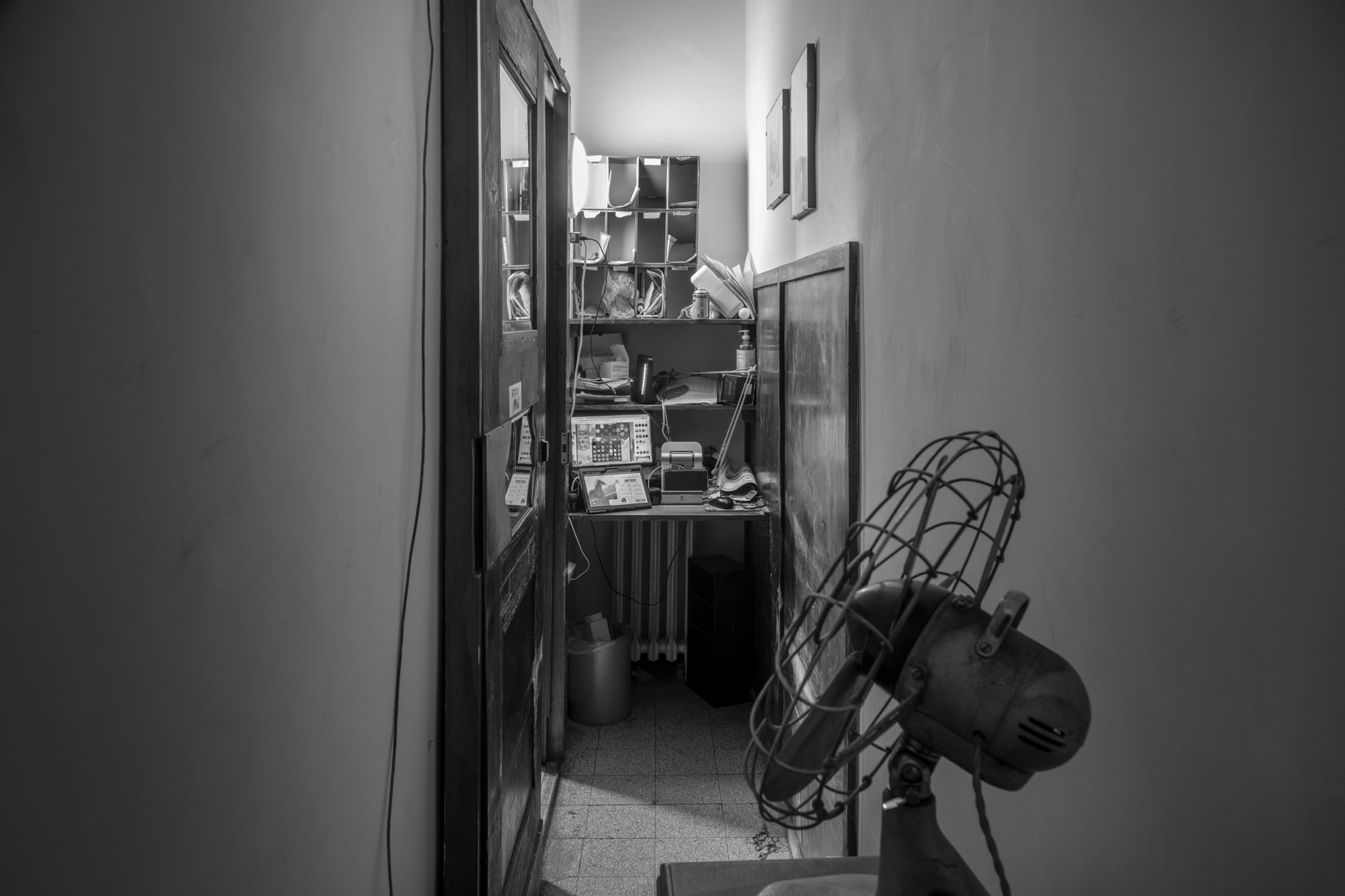
Spacious windows, antiquated desks, compact passageways—architectures conceived as vitrines framing the threshold between public and private space.

Portinerie Romane explores this overlooked element of Roman architecture, revealing the inventiveness and cultural relevance embedded in these small yet significant structures.

The project began in 2010 with the support of the Faculty of Architecture “Valle Giulia” at La Sapienza University in Rome, initially focusing on Palazzine by architects such as Moretti, Ridolfi, Libera, and Pellegrini. It later expanded to document a wide range of solutions: variations in form, materials, furnishings, and spatial arrangements, where functional needs meet experimentation and, at times, eccentricity.

Through this work, portinerie emerge as enduring, vital components of the city’s architectural fabric.

*In Italian, the word portineria (plural: portinerie) broadly refers to the space, usually located at the entrance of a residential building, occupied by the portiere (the building’s caretaker or doorman). In English, the concept overlaps with several terms—porter’s lodge, gatehouse, or even a simple desk.
Tommaso-Sacconi-Portinerie-Romane-2.jpg
Tommaso-Sacconi-Portinerie-Romane-3.jpg
Tommaso-Sacconi-Portinerie-Romane-4.jpg
Tommaso-Sacconi-Portinerie-Romane-5.jpg
Tommaso-Sacconi-Portinerie-Romane-6.jpg
Tommaso-Sacconi-Portinerie-Romane-7.jpg
Tommaso-Sacconi-Portinerie-Romane-8.jpg
Tommaso-Sacconi-Portinerie-Romane-9.jpg
Tommaso-Sacconi-Portinerie-Romane-10.jpg
Tommaso-Sacconi-Portinerie-Romane-11.jpg
Tommaso-Sacconi-Portinerie-Romane-12.jpg
Tommaso-Sacconi-Portinerie-Romane-13.jpg
Tommaso-Sacconi-Portinerie-Romane-14.jpg
      Portinerie Romane*   Spacious windows, antiquated desks, compact passageways—architectures conceived as vitrines framing the threshold between public and private space.   Portinerie Romane  explores this overlooked element of Roman architecture
Tommaso-Sacconi-Portinerie-Romane-2.jpg
Tommaso-Sacconi-Portinerie-Romane-3.jpg
Tommaso-Sacconi-Portinerie-Romane-4.jpg
Tommaso-Sacconi-Portinerie-Romane-5.jpg
Tommaso-Sacconi-Portinerie-Romane-6.jpg
Tommaso-Sacconi-Portinerie-Romane-7.jpg
Tommaso-Sacconi-Portinerie-Romane-8.jpg
Tommaso-Sacconi-Portinerie-Romane-9.jpg
Tommaso-Sacconi-Portinerie-Romane-10.jpg
Tommaso-Sacconi-Portinerie-Romane-11.jpg
Tommaso-Sacconi-Portinerie-Romane-12.jpg
Tommaso-Sacconi-Portinerie-Romane-13.jpg
Tommaso-Sacconi-Portinerie-Romane-14.jpg

Portinerie Romane*

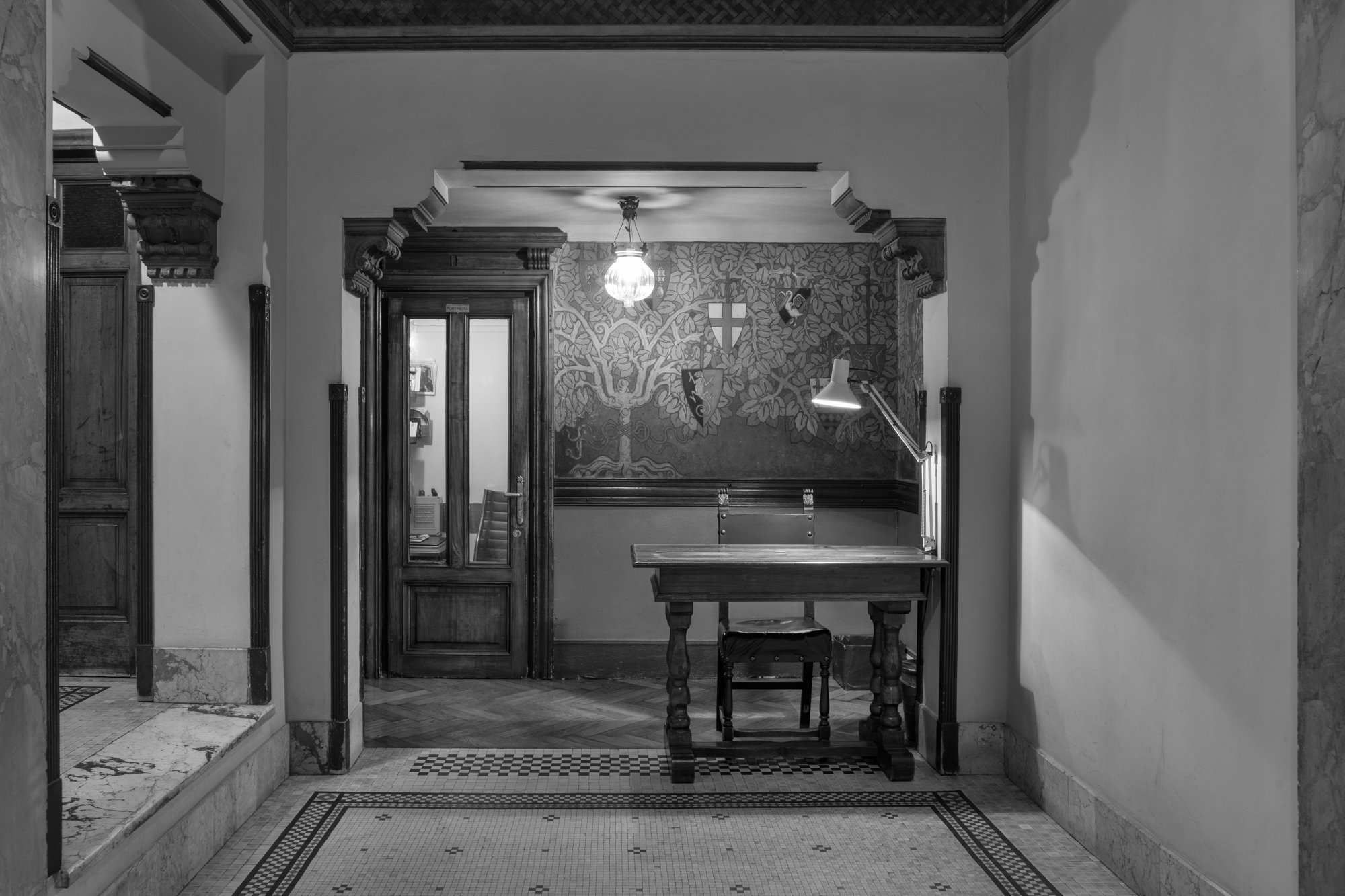
Spacious windows, antiquated desks, compact passageways—architectures conceived as vitrines framing the threshold between public and private space.

Portinerie Romane explores this overlooked element of Roman architecture, revealing the inventiveness and cultural relevance embedded in these small yet significant structures.

The project began in 2010 with the support of the Faculty of Architecture “Valle Giulia” at La Sapienza University in Rome, initially focusing on Palazzine by architects such as Moretti, Ridolfi, Libera, and Pellegrini. It later expanded to document a wide range of solutions: variations in form, materials, furnishings, and spatial arrangements, where functional needs meet experimentation and, at times, eccentricity.

Through this work, portinerie emerge as enduring, vital components of the city’s architectural fabric.

*In Italian, the word portineria (plural: portinerie) broadly refers to the space, usually located at the entrance of a residential building, occupied by the portiere (the building’s caretaker or doorman). In English, the concept overlaps with several terms—porter’s lodge, gatehouse, or even a simple desk.
show thumbnails